
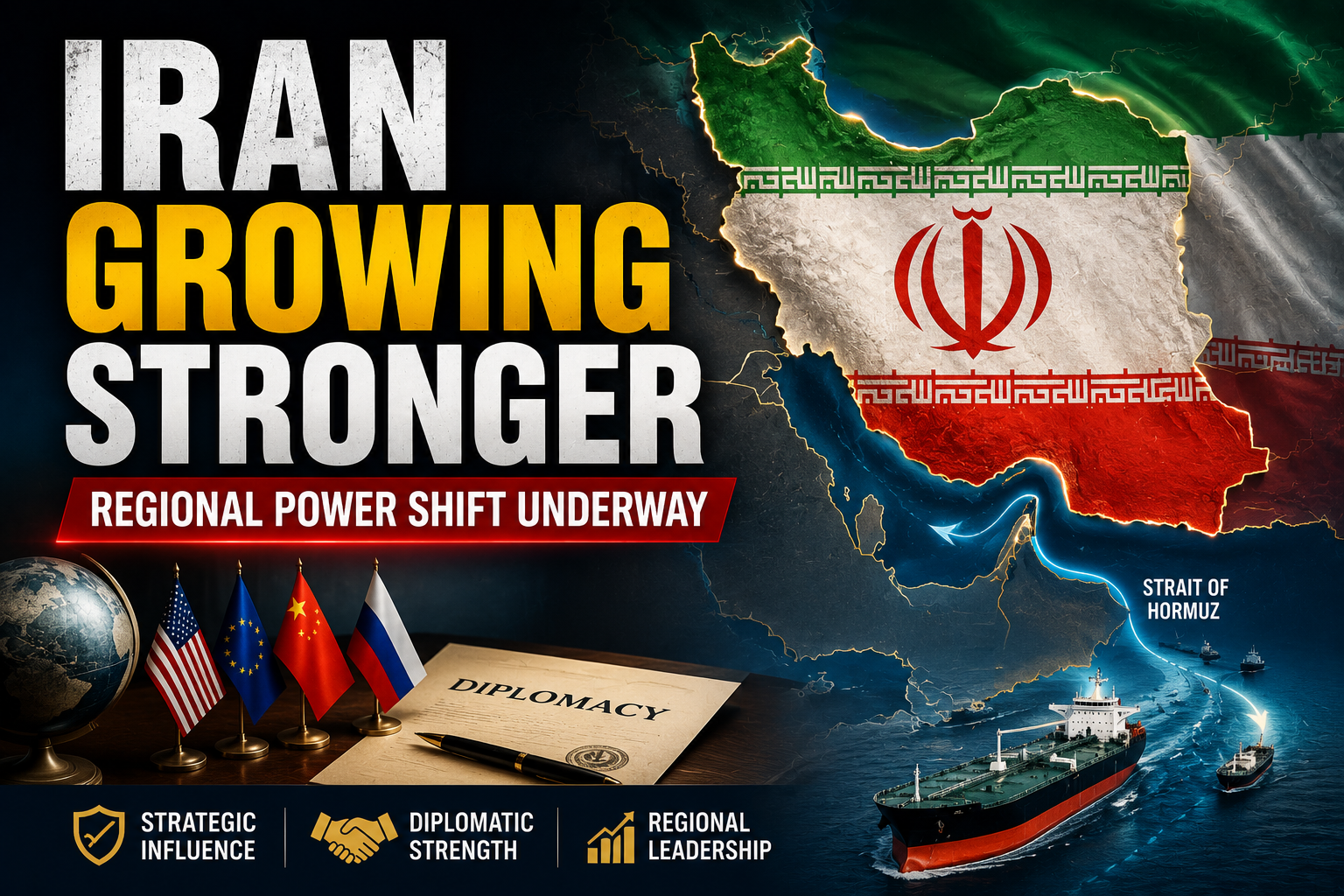
Iran growing stronger has become a reality that Western powers long feared, according to senior Iranian official and foreign affairs adviser Ali Akbar Velayati, who claimed that regional power dynamics are shifting in Tehran’s favor.
The remarks come amid ongoing geopolitical developments in the Middle East and renewed discussions regarding maritime security, regional alliances, and diplomatic negotiations.
🇮🇷 Senior Iranian Adviser Makes Strong Statement
Ali Akbar Velayati, adviser on foreign affairs to Iran’s Supreme Leader, stated that the scenario Western strategists had long worried about is now unfolding.
According to media reports, Velayati shared his comments on social media platform X, where he argued that Iran’s position in the region is becoming stronger.
He suggested that major geopolitical changes are reshaping the strategic landscape of the Middle East.
🌍 Regional Power Dynamics Under Discussion
Velayati claimed that the regional balance of power is evolving and that a new strategic map is emerging.
Political analysts note that recent developments involving regional conflicts, maritime trade routes, and diplomatic negotiations have intensified debate about future power structures in the Middle East.
Observers continue monitoring how these developments may affect regional stability and international relations.
⚓ Strait of Hormuz Remains Key Issue
The Iranian official also referenced the strategic importance of the Strait of Hormuz, describing it as a critical factor in ongoing diplomatic and security discussions.
He argued that international efforts regarding maritime routes demonstrate the significance of the waterway in regional and global trade.
The Strait of Hormuz remains one of the world’s most important energy transit corridors.
🤝 Comments Come Amid Ongoing Negotiations
Velayati’s remarks were made as diplomatic efforts continue regarding regional security and broader negotiations involving multiple international stakeholders.
Analysts believe statements from senior Iranian officials often reflect Tehran’s perspective on evolving geopolitical developments and negotiations.
The comments have attracted attention due to their focus on strategic influence and regional power balances.
📢 Criticism of Regional Compromise Approaches
The adviser also criticized what he described as unrealistic expectations regarding regional compromises.
According to his statement, attempts to reshape regional power structures without considering influential political and security actors could prove ineffective.
He emphasized that long-term stability requires recognition of existing realities on the ground.
🕊️ Peace Requires Balance of Power, Says Velayati
Velayati argued that sustainable peace is achieved through balanced power relationships rather than through what he called unrealistic promises.
He maintained that diplomacy must be supported by practical outcomes and strategic realities.
Experts note that debates over security, diplomacy, and regional influence remain central to Middle East politics.
🌐 International Observers Monitoring Developments
Regional experts say ongoing negotiations, security discussions, and economic interests continue shaping political narratives across the Middle East.
The latest remarks from Velayati highlight Iran’s view that regional dynamics are changing in ways that could influence future diplomatic and strategic calculations.
As tensions and negotiations continue, governments and analysts worldwide remain focused on developments that may affect regional stability and global energy markets.