
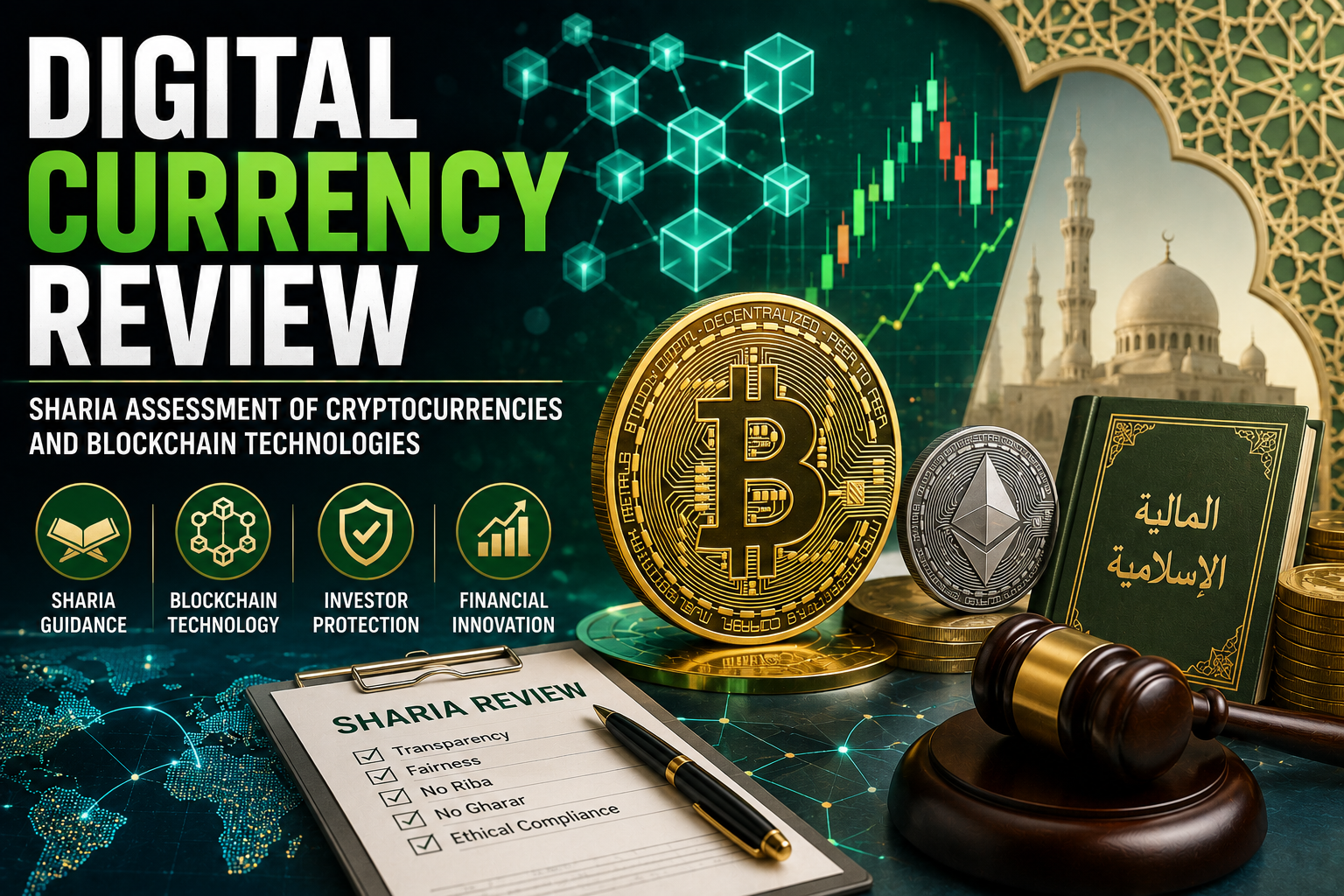
Pakistan Digital Currency Sharia Review has gained attention after the Chairman of the Virtual Assets Regulatory Authority, Bilal Bin Saqib, met renowned Islamic scholar Mufti Muhammad Taqi Usmani and called for a comprehensive religious review of digital assets, cryptocurrencies, and emerging blockchain technologies.
According to Bilal Bin Saqib, the meeting focused on the ongoing discussion regarding the Sharia status of digital assets and the importance of protecting the public from fraud, financial exploitation, and investment risks associated with the rapidly evolving digital asset industry.
The discussion also highlighted the need for continued collaboration between religious scholars, regulators, and technology experts before formulating national policies related to digital finance.
💻 Meeting Focuses on Digital Assets
Bilal Bin Saqib said the meeting with Mufti Muhammad Taqi Usmani was constructive and centered on the future of digital assets in Pakistan.
According to his statement, both sides agreed that protecting the public from scams, misleading investment schemes, and financial losses should remain the highest priority.
The discussion explored the growing role of blockchain technology and the challenges associated with regulating emerging digital financial products.
Officials believe ongoing dialogue can help develop balanced regulatory policies.
📜 Call for Comprehensive Sharia Review
During the meeting, Bilal Bin Saqib urged religious scholars to conduct a detailed Sharia review of cryptocurrencies and related technologies.
He stated that blockchain technology, digital assets, stablecoins, and tokenized real-world assets represent different technological models that should not be evaluated under a single framework.
Instead, he suggested that each technology should be examined individually based on its technical characteristics and Islamic financial principles.
The proposal aims to ensure that future regulations remain consistent with both technological developments and Sharia guidance.
🪙 Blockchain and Stablecoins Discussed
According to Bilal Bin Saqib, blockchain technology continues to evolve rapidly, introducing new forms of digital financial products.
He noted that stablecoins and tokenized assets differ significantly from traditional cryptocurrencies and therefore require separate technical and religious evaluation.
Experts believe these technologies could have applications in payments, financial services, asset management, and digital commerce.
However, policymakers continue assessing their legal, regulatory, and ethical implications.
🤝 Scholars, Regulators, and Experts Urged to Cooperate
Bilal Bin Saqib emphasized the importance of maintaining regular consultation among Islamic scholars, financial regulators, policymakers, and technology professionals.
He said continued dialogue would help ensure that Pakistan’s digital asset policies are based on accurate technical understanding while remaining aligned with Islamic principles.
The chairman stressed that cooperation between all stakeholders is essential as the digital finance sector continues expanding globally.
🛡️ Protecting Investors Remains Priority
According to Bilal Bin Saqib, safeguarding citizens from fraud and financial exploitation remains the central objective behind regulatory efforts.
He stated that responsible regulation can help reduce risks while encouraging innovation within a secure legal framework.
Officials also highlighted the importance of increasing public awareness regarding investment risks associated with digital assets.
Consumer protection remains a key consideration for policymakers.
📈 Pakistan Continues Evaluating Digital Finance
The meeting reflects Pakistan’s ongoing discussions regarding the future of digital finance and virtual assets.
Experts believe technological innovation presents new opportunities but also requires clear regulatory standards and careful policy development.
As blockchain technologies continue evolving, authorities are expected to maintain consultations with scholars, industry experts, and regulators before introducing future policy decisions.
The dialogue is expected to contribute to a more informed national approach toward digital assets and financial innovation.