
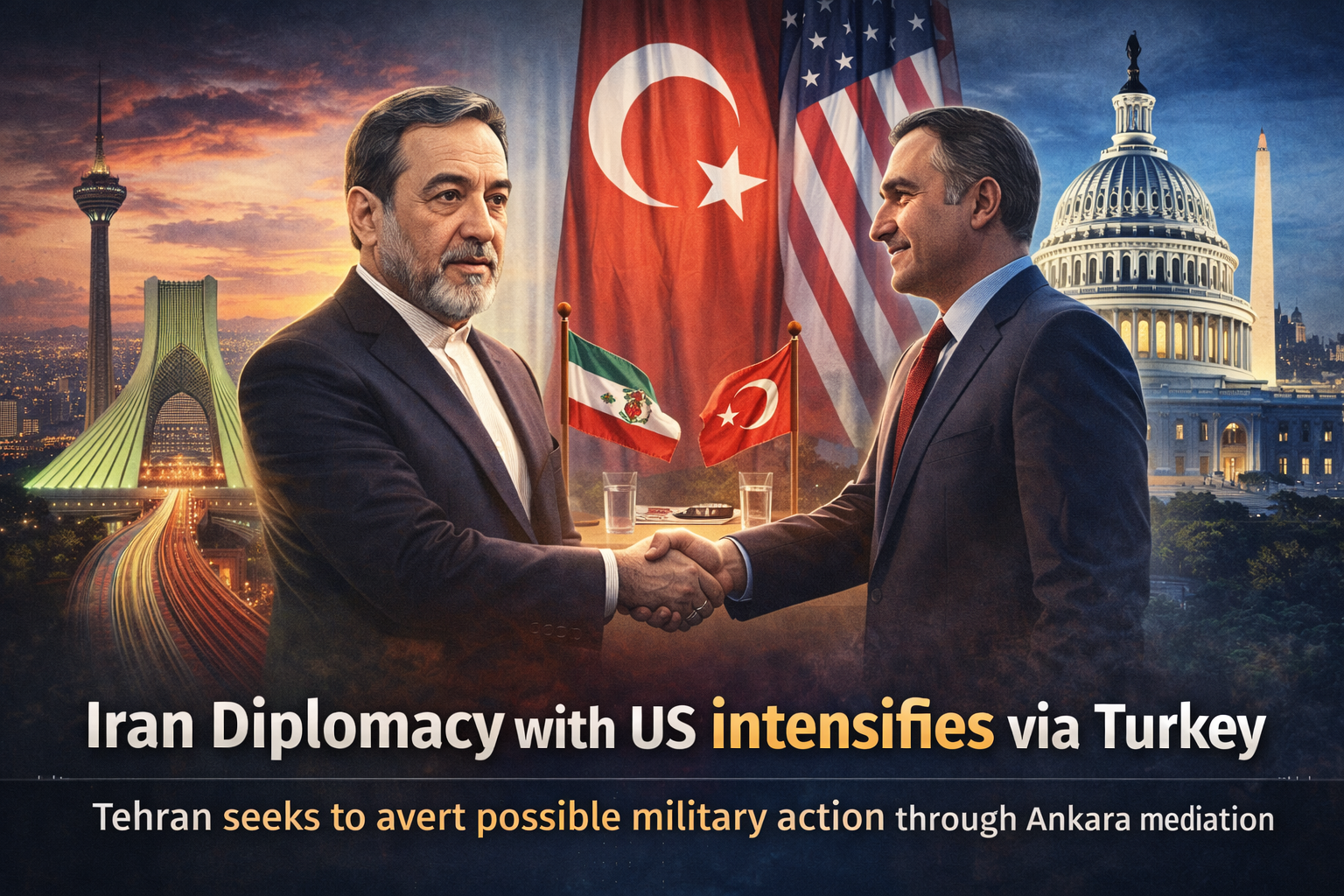
Iran diplomacy with US intensified on Friday as Tehran launched urgent diplomatic efforts through Turkey to prevent possible military action, with Foreign Minister Abbas Araghchi arriving in Ankara for high-level talks aimed at easing tensions and reducing the risk of military escalation between Tehran and Washington.
According to international sources, Turkey is currently playing a mediating role between the United States and Iran, seeking to revive diplomatic channels and reduce the risk of conflict. Turkish officials are attempting to persuade Iranian leadership to offer limited concessions regarding its nuclear program to help stabilize the region and prevent a wider confrontation.
The diplomatic engagement comes at a time when rhetoric from both sides has intensified, raising fears of a possible military standoff. Ankara has emerged as a key regional intermediary, leveraging its strategic relations with both Washington and Tehran to push for dialogue.
Turkey’s Mediation Efforts Intensify
Turkish President Recep Tayyip Erdoğan has reportedly proposed a video conference between US President Donald Trump and Iranian President Masoud Pezeshkian, aimed at breaking the diplomatic deadlock. However, direct negotiations between the United States and Iran have remained stalled for nearly a decade, making the prospects of immediate talks uncertain.
Turkish officials believe that direct communication between the two leaders could help de-escalate tensions and pave the way for renewed diplomatic engagement. Ankara has emphasized that sustained dialogue remains the only viable path to long-term stability in the region.
Turkey’s Foreign Minister Hakan Fidan warned that any military strike against Iran would have dangerous consequences for the broader Middle East. He stressed that diplomacy remains the only realistic solution and urged all sides to prioritize negotiations over confrontation.
Rising Military Tensions
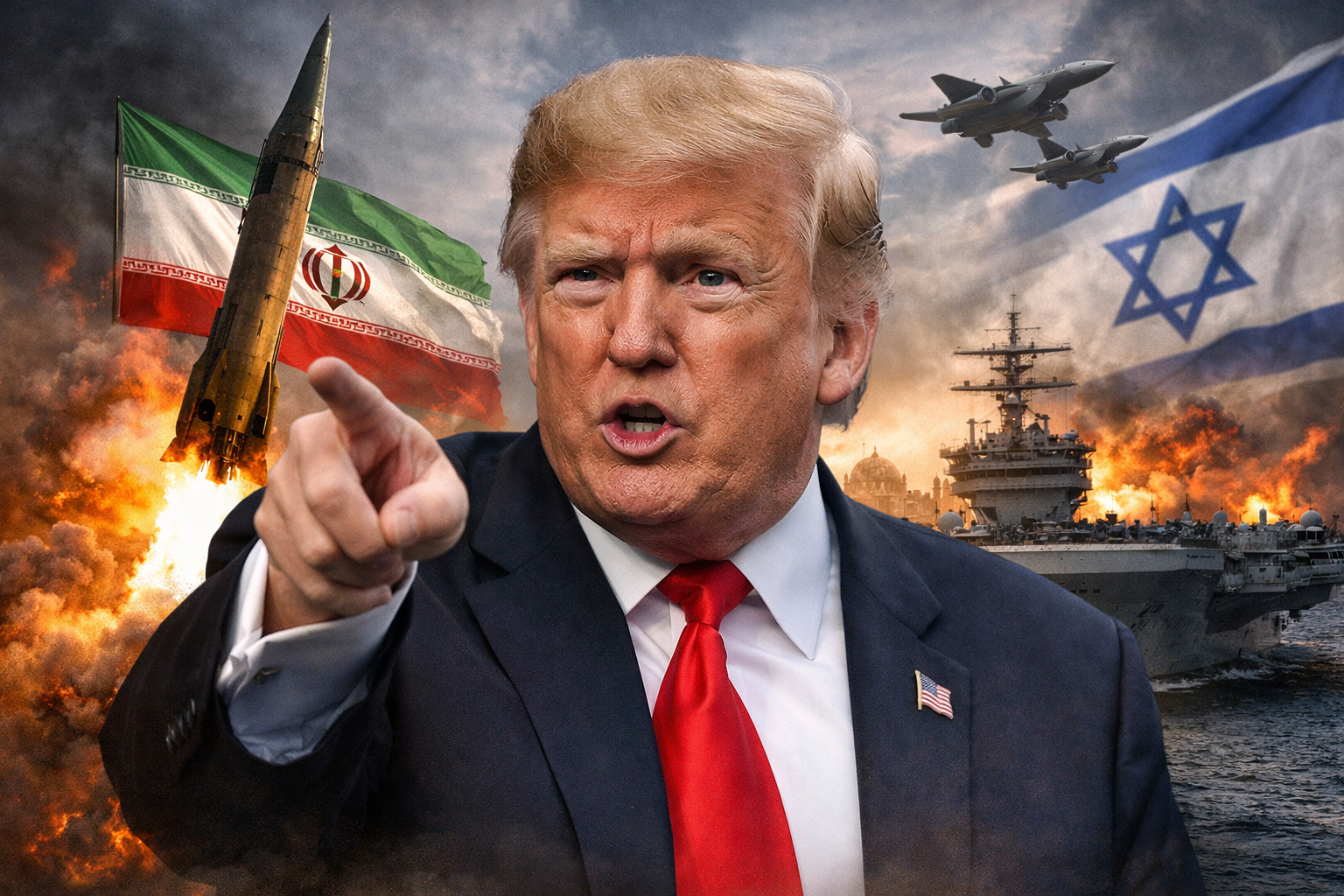
The diplomatic push comes amid increasingly firm statements from Washington. US Defense Secretary Pete Hegseth stated that if President Trump orders military action, the US armed forces are fully prepared to execute the directive.
President Trump also warned that Iran’s window for reaching an agreement is narrowing, although he reiterated his preference for diplomatic solutions over military conflict. He emphasized that dialogue remains possible, but added that delays could leave fewer options on the table.
These remarks have added urgency to Iran’s diplomatic outreach, as Tehran seeks to prevent further escalation and avoid a potential clash with US forces.
Iran Strengthens Defensive Preparedness
While pursuing diplomatic channels, Iran has simultaneously stepped up its defense preparations. According to Iranian military officials, Tehran has significantly expanded its drone capabilities, producing around 1,000 new ground and naval drones following a brief conflict earlier this year.
Iranian commanders also confirmed that the country continues to maintain and enhance its ballistic missile capabilities as part of its broader deterrence strategy. These measures signal Tehran’s readiness to defend itself in the event of military action, even as it remains open to negotiations.
Iranian officials maintain that their approach combines diplomatic engagement with strategic preparedness, allowing them to respond effectively to both political and military developments.
Regional Concerns and Gulf States’ Position
The growing tensions have also prompted reactions from regional actors, particularly Gulf countries. Several Gulf states have reportedly conveyed that they will not allow their airspace or territory to be used for any potential military operations against Iran.
This stance reflects concerns that a conflict could destabilize the region, disrupt energy supplies, and trigger broader security challenges across the Middle East.
Regional analysts warn that any military confrontation could have far-reaching consequences, affecting trade routes, energy markets, and political stability in neighboring countries.
Outlook for Diplomacy
Despite the heightened tensions, diplomatic efforts continue, with Turkey positioning itself as a central player in facilitating dialogue. Observers note that Ankara’s involvement could provide a crucial channel for communication at a time when direct US-Iran talks remain frozen.
As both sides weigh their options, the coming days are expected to be critical in determining whether diplomacy can prevail over military escalation. For now, Iran’s intensified diplomatic outreach reflects its determination to prevent conflict while safeguarding its strategic interests.
[…] warns Iran of stronger military action Iran diplomacy with US intensifies via […]