
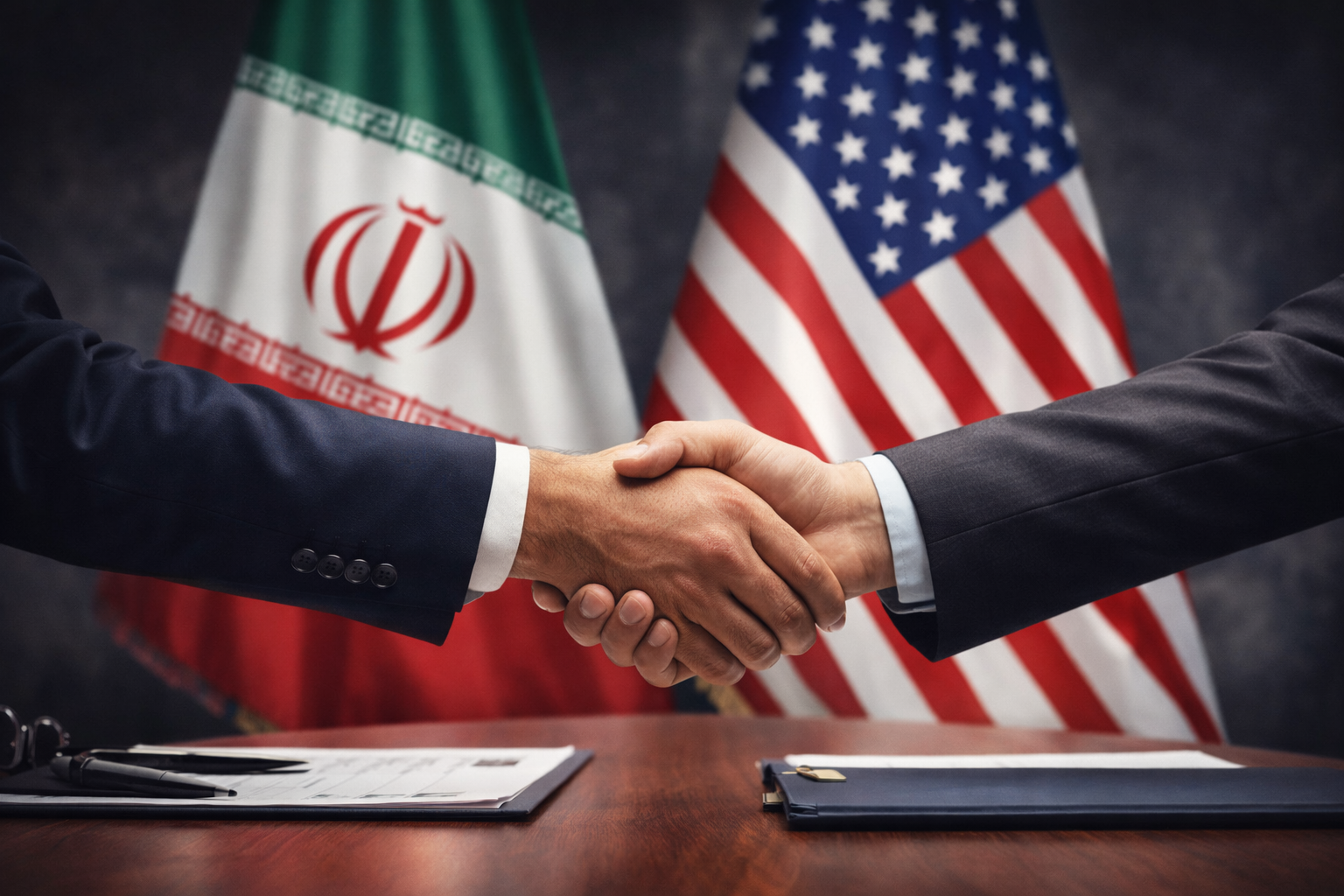
Iran signals readiness for talks as tensions with US persist after Iranian President Masoud Pezeshkian said he has instructed the foreign minister to pursue negotiations with Washington on what he described as “fair and equal grounds,” even as military incidents continue to strain relations between the two countries.
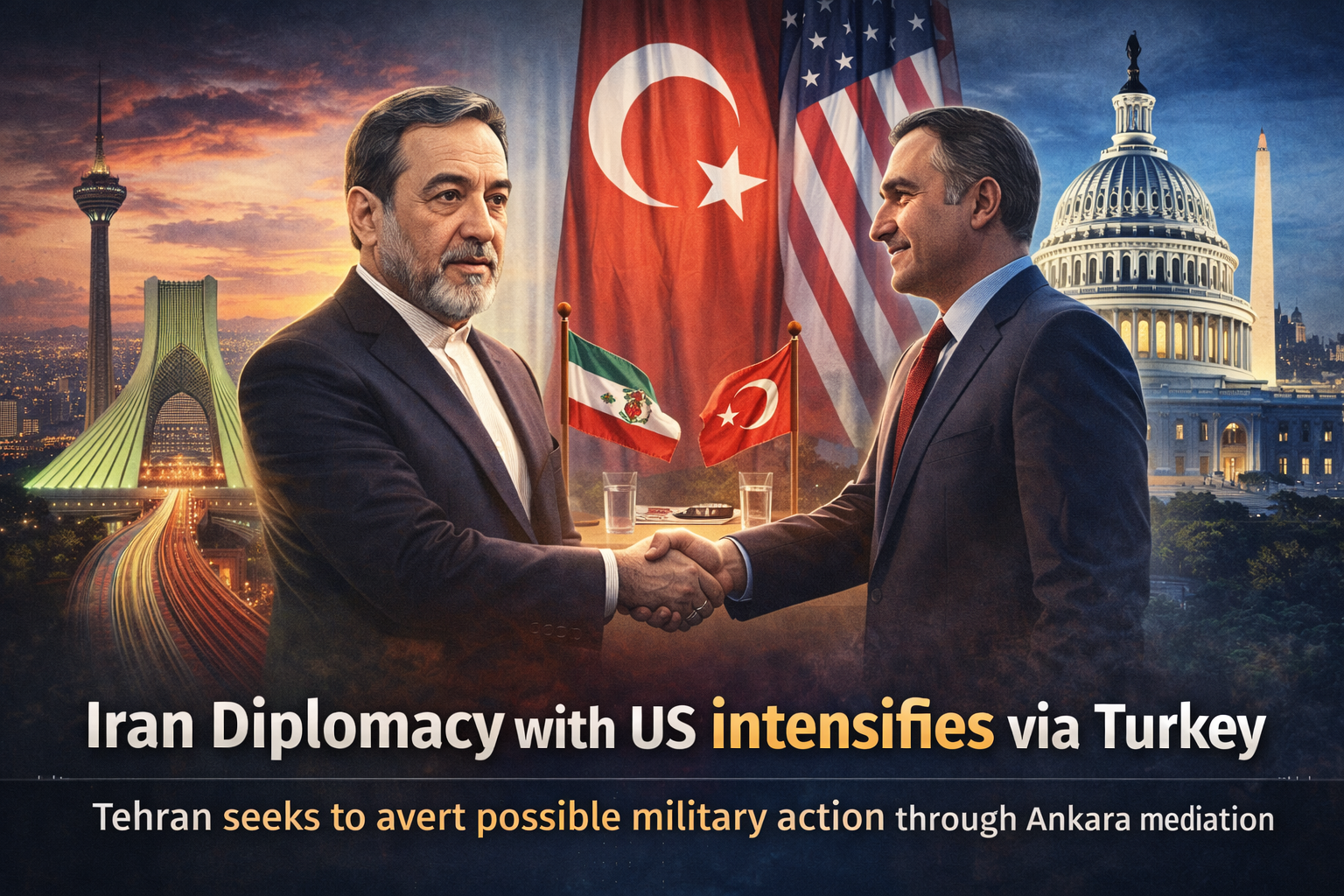
The statement comes at a time of sustained tension between Tehran and Washington, with recent reports of military encounters in the region adding to uncertainty around diplomatic efforts. Analysts see the remarks as the clearest indication so far that Iran is considering engagement through indirect channels, potentially with Turkey playing a mediating role.
First clear signal of openness to dialogue
Iranian officials believe the president’s comments mark a significant shift in tone, suggesting that Tehran is prepared to explore negotiations despite ongoing friction. While no formal framework has been announced, the emphasis on equality and fairness indicates Iran’s conditions for entering talks.
Officials familiar with the matter say the initial phase of any engagement is likely to be indirect rather than face-to-face, reflecting long-standing mistrust between the two sides.
US envoy preparing for talks in Turkey
According to US officials, Steve Witkoff, the United States’ special envoy, is preparing to hold discussions with Iranian representatives in Turkey later this week. However, they cautioned that details of the proposed talks are still being finalized and no formal schedule has been confirmed.
Washington has not publicly commented on the scope of the talks, but sources say the discussions are expected to focus primarily on nuclear-related issues during the initial phase.
Military incidents add to rising regional tensions
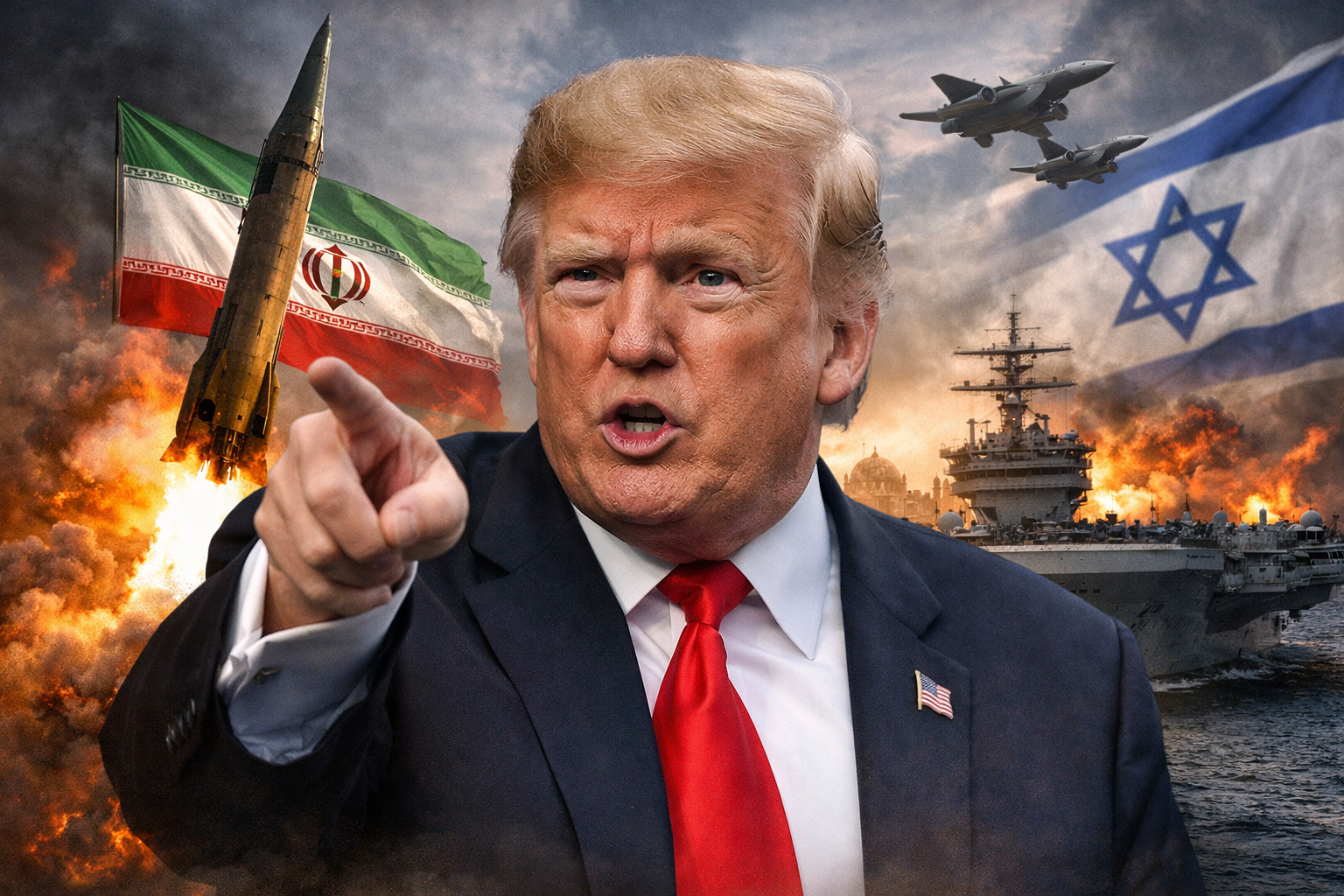
Despite diplomatic signals, tensions remain high following recent military encounters. The US Navy said a US fighter jet shot down an Iranian drone after it approached a US aircraft carrier in the region. According to US officials, the drone displayed what they described as aggressive behavior, and its intent was unclear.
Iran has not issued an immediate response to the incident, leaving questions about whether the episode could complicate diplomatic efforts.
In a separate incident, Iran’s Revolutionary Guard Corps reportedly deployed fast boats along with a drone in an attempt to intercept a US-flagged commercial vessel in the Strait of Hormuz. A US warship intervened and escorted the vessel to safety, US officials said.
Israel voices concerns over negotiations
Meanwhile, Israeli Prime Minister Benjamin Netanyahu raised concerns about Iran during a meeting with the US envoy. Netanyahu reportedly said Iran could not be trusted and stressed that any agreement must address not only Iran’s nuclear activities but also its ballistic missile program and regional influence.
Israeli officials have repeatedly warned that limited agreements focused solely on nuclear issues would be insufficient to ensure long-term regional security.
Iran reiterates stance on nuclear weapons
Iranian authorities have maintained that the country does not intend to develop nuclear weapons. Officials said any potential talks would initially be restricted to nuclear matters and would not extend to broader security or regional issues at this stage.
Tehran has also reiterated that easing economic sanctions would be a central demand in exchange for any concessions related to its nuclear program.
Diplomatic path remains uncertain
Observers note that while Iran’s willingness to explore talks represents a potential opening, the broader environment remains fragile. Continued military encounters and differing expectations among regional stakeholders could complicate efforts to revive diplomacy.
For now, Iran’s statement has injected cautious optimism into an otherwise tense situation, though officials on all sides acknowledge that translating signals into meaningful negotiations will require sustained political will and restraint.