
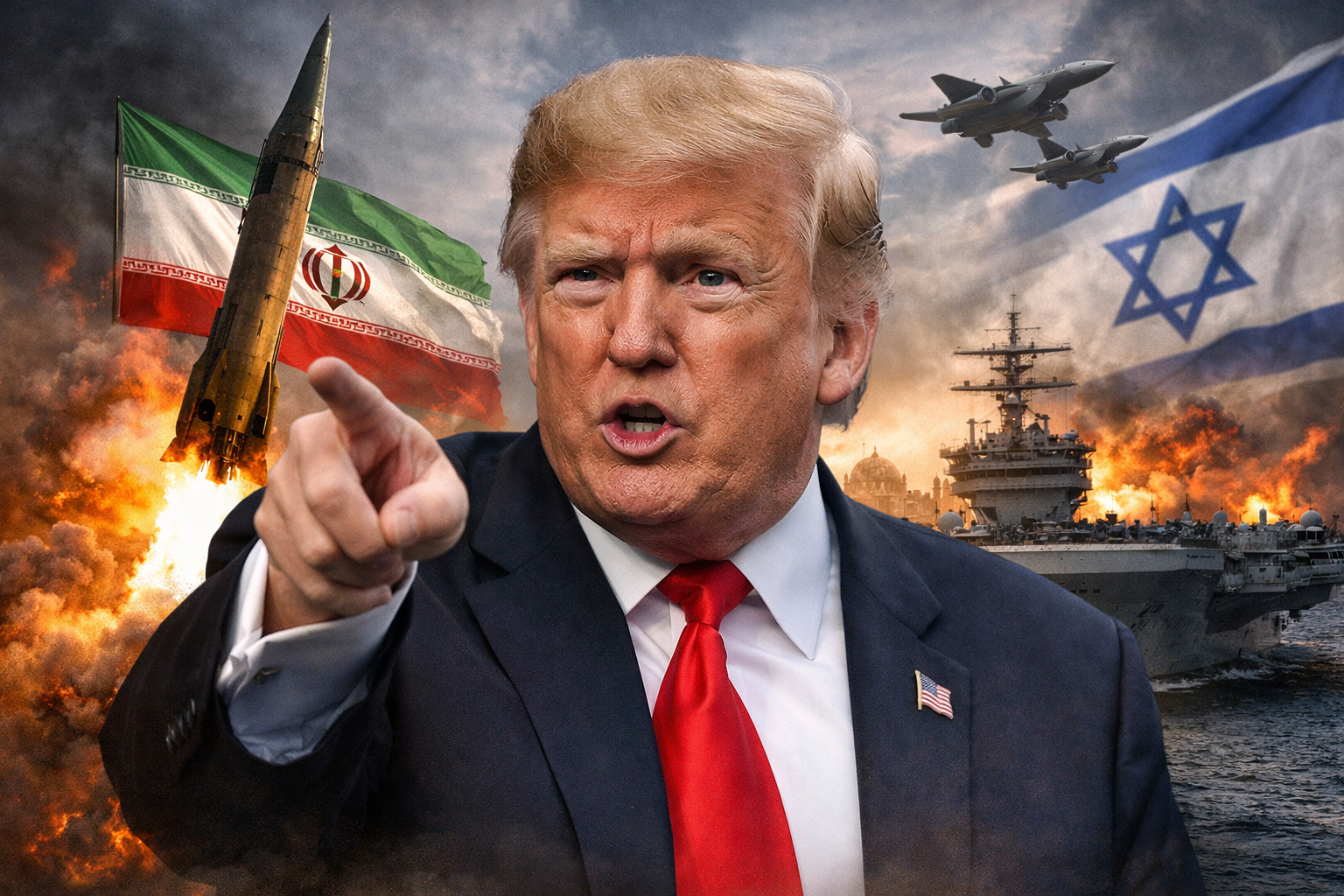
Trump warns Iran of stronger military action if talks fail, as tensions continue to rise over stalled nuclear negotiations and growing military movements in the Middle East.
US President Donald Trump has issued a fresh warning to Iran, stating that Tehran could face consequences more severe than past military operations if it ignores his calls to return to nuclear talks. Referring to a previous operation, Trump said Iran had earlier dismissed his warnings, which resulted in decisive military action. He cautioned that any continued defiance could trigger even stronger and more dangerous responses.
Speaking to reporters, the US president said time was running out for Iran and urged its leadership to immediately resume negotiations aimed at securing a new nuclear agreement. He stressed that any future deal must strictly prevent Iran from developing nuclear weapons, adding that Washington would not accept vague commitments or delays.
Trump emphasized that the window for diplomacy was narrowing rapidly and called on Tehran to engage seriously in discussions before the situation escalated further. His remarks come at a time of heightened regional tensions and increased military deployments by the United States.
Rising Pressure on Nuclear Talks
The US administration has renewed its push for diplomatic engagement, seeking to revive negotiations that have stalled amid growing mistrust. Trump underlined that a clear, enforceable agreement was the only acceptable outcome, insisting that Iran must provide firm guarantees that its nuclear program would remain entirely peaceful.
Washington’s position reflects broader concerns among Western allies about Iran’s expanding nuclear activities and its regional influence. Officials fear that prolonged deadlock could increase the risk of confrontation, particularly as military assets continue to move into strategic positions across the Middle East.
Iran Rejects Talks Under Threats
In response, Iranian Foreign Minister Abbas Araghchi dismissed the prospect of negotiations under pressure, stating that dialogue could not take place in an atmosphere of threats and coercion. He said meaningful talks would only be possible if external pressure and what he described as unrealistic demands were lifted.
Araghchi clarified that there had been no recent direct contact between him and US envoy Steve Witkoff. However, he confirmed that indirect consultations were ongoing through intermediary countries in an effort to prevent further escalation.
Iran has repeatedly maintained that its nuclear program is intended solely for peaceful purposes. At the same time, Tehran has warned that any military aggression by the United States would be met with strong retaliation, potentially targeting American and Israeli interests across the region.
Regional Calls for Diplomacy
Turkey has also stepped in, urging Washington to restart nuclear negotiations with Iran. Turkish Foreign Minister Hakan Fidan called for a practical and phased approach to resolving disputes, suggesting that the nuclear issue should be addressed first to build trust and momentum.
Fidan emphasized that broader regional problems should not be bundled together, arguing that tackling challenges one at a time would increase the chances of progress. Ankara has consistently advocated dialogue as a means to stabilize the region and avoid further conflict.
Israel Issues Strong Warning
Meanwhile, Israeli Prime Minister Benjamin Netanyahu has reiterated his country’s firm stance, warning that any attack by Iran on Israeli territory would be met with overwhelming force. He said Israel was prepared to respond decisively to any threat, signaling readiness for a wide range of military scenarios.
Israel has long viewed Iran’s nuclear ambitions as a direct security threat and has repeatedly called on the international community to prevent Tehran from acquiring nuclear weapons.
US Naval Deployment Raises Stakes
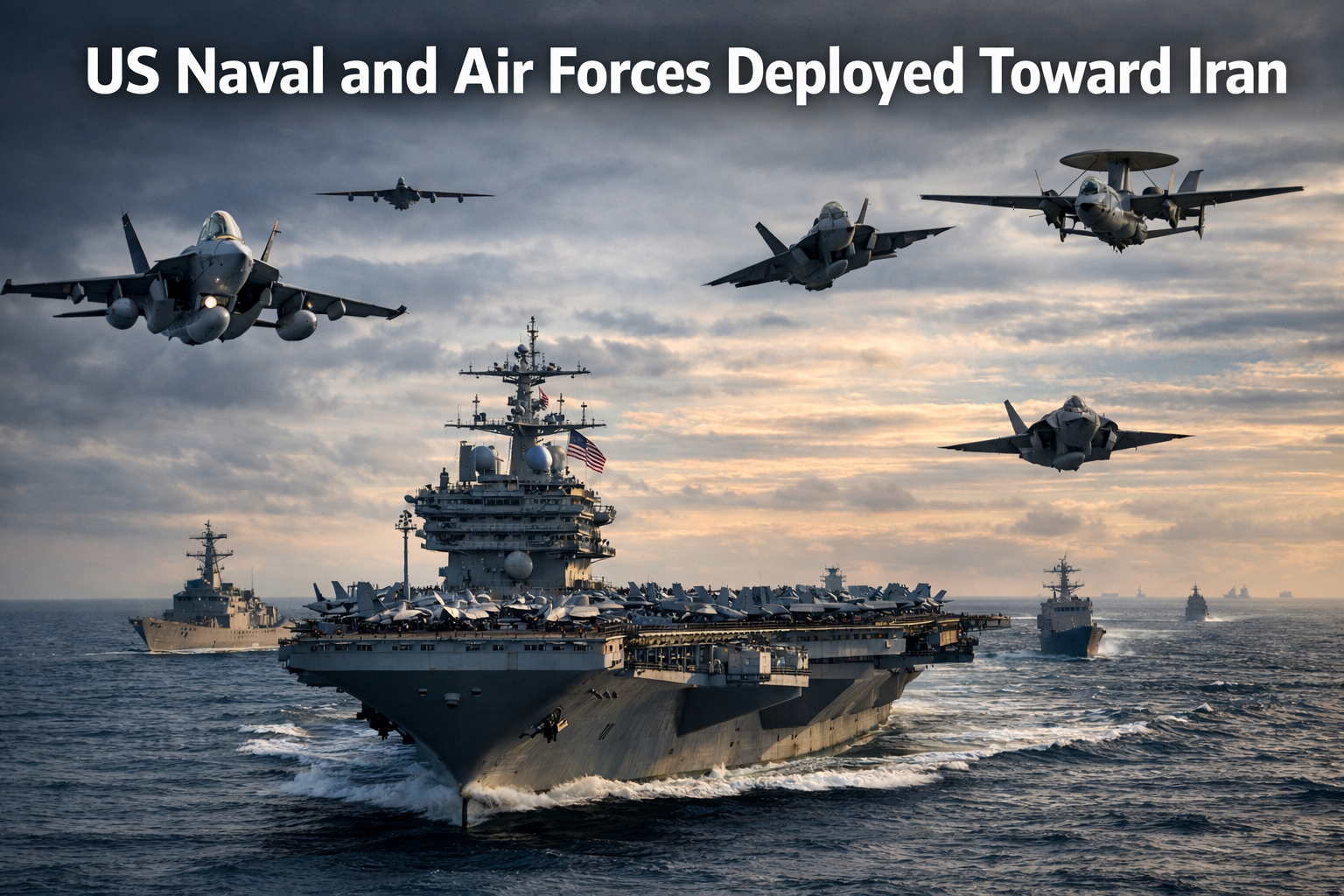
Adding to the tension, reports indicate that a US naval fleet is moving rapidly toward the Middle East. While officials have not confirmed the exact purpose of the deployment, it is widely seen as a signal of readiness for potential military action if diplomatic efforts fail.
The growing military presence is likely to increase pressure on all sides to find a diplomatic solution. Analysts warn that any miscalculation could trigger a broader regional conflict, with serious consequences for global stability and energy markets.
As diplomatic channels remain active but fragile, the coming days are expected to be critical in determining whether negotiations can resume or whether the standoff will move closer to confrontation.
[…] Trump warns Iran of stronger military action […]
[…] Trump warns Iran of stronger military action Iran diplomacy with US intensifies via Turkey […]
[…] Trump Warns Iran of Stronger Military Action […]